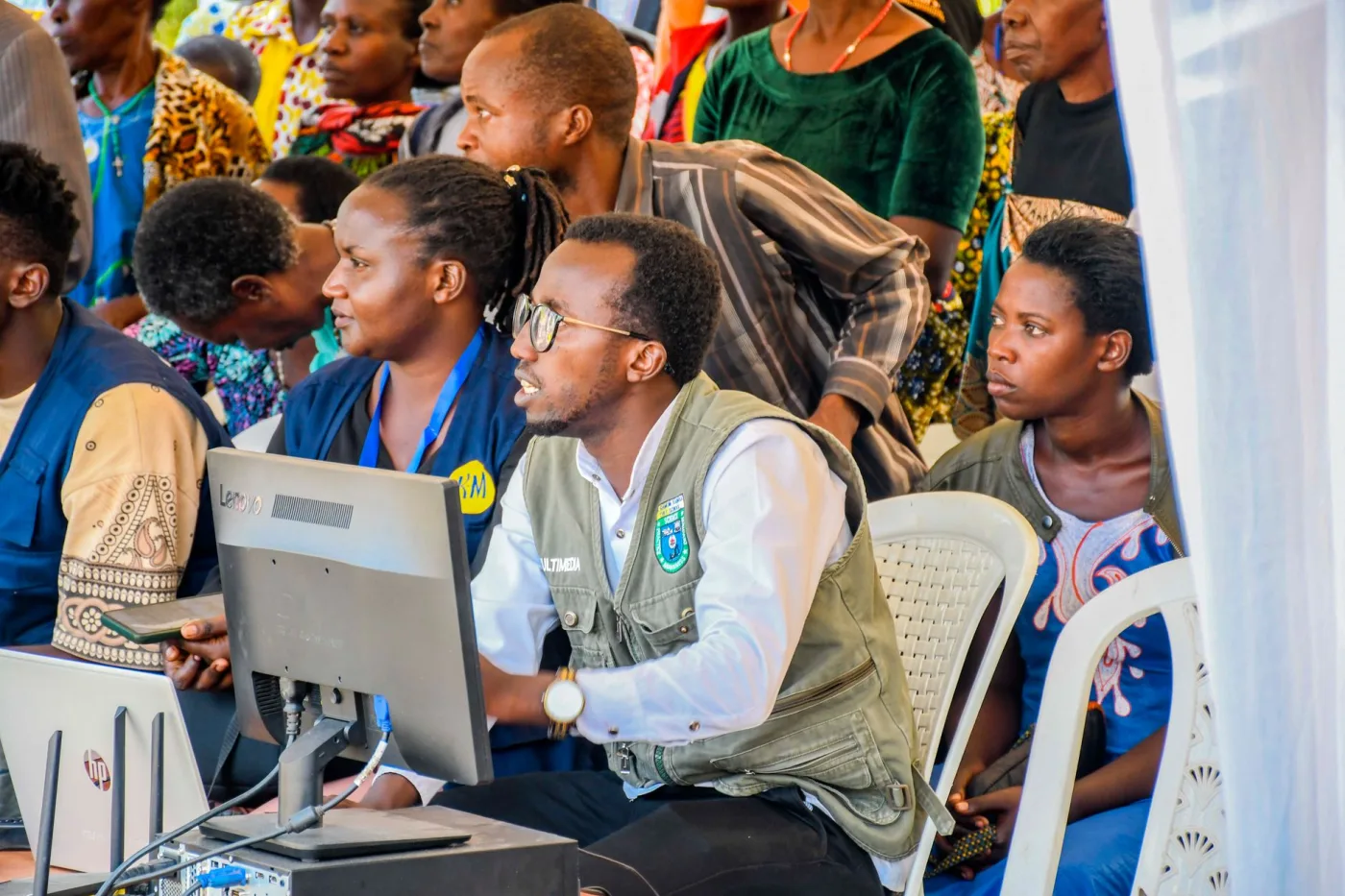
A practical roadmap for digital transformation in African organizations
Digital transformation in African organizations is not about adopting the latest tools—it is about building practical, scalable systems that fit local realities. This roadmap outlines a clear path from assessment to execution, with insights from Intelitek Group's venture-building experience in Cameroon and across Africa.
Why Digital Transformation in Africa Requires a Different Approach
Digital transformation in African organizations is often framed as a technology challenge. In practice, it is a strategic, operational and human challenge. Across Cameroon and the wider continent, organizations face unique conditions: diverse markets, infrastructure variability, informal economies and rapidly evolving user expectations. A copy-paste approach from other regions rarely works. What works is a practical, context-aware roadmap that aligns technology with real market needs.
Intelitek Group, an African technology holding company and venture builder based in Cameroon, has built and operated platforms such as MboaTek (local services and technician marketplace), MboaFleet (fleet management and mobility operations) and InovEdu (digital learning and skills development). This experience informs a roadmap that prioritizes operations, trust and scalability over hype.
Phase 1: Strategic Assessment and Goal Setting
Before investing in tools, organizations must define what transformation means for them. This means assessing current processes, identifying pain points and setting clear, measurable objectives. A strategic assessment should cover:
- Market context: Understand customer behavior, local competition and regulatory environment in your target African markets.
- Operational readiness: Evaluate existing infrastructure, digital literacy and data maturity.
- Value proposition: Clarify how digital initiatives will improve service delivery, efficiency or revenue.
- Risk landscape: Identify barriers such as connectivity, payment systems and change resistance.
This phase prevents wasted investment and ensures alignment with organizational strategy. It is also where venture-building thinking helps: treat each initiative as a potential venture with its own business model and success metrics.
Phase 2: Leadership Alignment and Governance
Digital transformation is not an IT project—it is a leadership priority. Without alignment at the top, initiatives stall. Organizations should establish a governance structure that includes executive sponsorship, cross-functional teams and clear decision-making authority. In African contexts, where informal processes may dominate, governance must be practical and flexible. It should define roles, budgets and accountability without creating bureaucracy that slows execution.
Leadership must also communicate a compelling vision. Employees and partners need to understand why transformation matters and how it benefits them. This is especially important in organizations where digital adoption is still emerging.
Phase 3: Platform-First Thinking and Build vs. Partner Decisions
Many African organizations attempt to build everything in-house, leading to fragmentation and high costs. A platform-first approach—where core capabilities are centralized and reusable—can accelerate progress. This means deciding early whether to build, buy or partner. For example, a logistics company might partner with a fleet management platform like MboaFleet rather than building its own tracking system from scratch. A training institution might integrate digital learning content through a platform like InovEdu instead of developing a full LMS internally.
Venture building offers a useful model: create focused, operationally independent units that can innovate quickly while leveraging shared infrastructure. This approach reduces risk and allows organizations to test new models in real markets before scaling.
Phase 4: Operational Integration and Process Redesign
Technology alone does not transform organizations—processes do. Digital tools must be integrated into daily operations, and workflows must be redesigned to take advantage of new capabilities. This often requires mapping end-to-end processes, identifying bottlenecks and training staff. In African organizations, where manual processes and paper-based systems are common, this step is critical.
Operational integration also means connecting front-office and back-office systems, ensuring data flows smoothly and enabling real-time decision-making. For instance, a services marketplace like MboaTek requires seamless coordination between customer requests, technician availability and payment processing. Without operational integration, the platform would fail to deliver trust and reliability.
Phase 5: Building Trust and Driving Adoption
Trust is the currency of digital transformation in Africa. Users need to feel confident that digital platforms are secure, reliable and fair. Organizations must invest in user education, transparent policies and responsive support. In many markets, word-of-mouth and community engagement are more powerful than advertising.
Adoption also depends on designing for local realities: low-bandwidth environments, mobile-first interfaces, local languages and payment methods. Platforms that respect these realities—like those built by Intelitek Group—tend to gain traction faster. Trust also extends to data privacy and security, which are increasingly regulated across Africa.
Phase 6: Scalability and Sustainability Planning
Scalability is not just about handling more users—it is about replicating success across regions, products and partnerships. African organizations should design systems with modularity and interoperability in mind. Cloud infrastructure, APIs and standardized data models enable growth without proportional cost increases.
Sustainability also requires a clear revenue model. Whether through subscriptions, transaction fees or service contracts, digital initiatives must eventually pay for themselves. Venture builders often stress-test business models early to avoid dependency on grants or one-off funding. Intelitek Group's approach of building, owning and operating ventures reflects this discipline.
Phase 7: Partnerships and Ecosystem Development
No organization transforms alone. Partnerships with technology providers, financial institutions, government agencies and local communities are essential. In Cameroon and across Africa, ecosystem collaboration can unlock infrastructure, distribution and credibility. For example, a mobility platform might partner with insurers, fuel providers and regulators to create a seamless user experience.
Partnerships should be structured with clear value exchange and governance. They also require patience and cultural alignment. Organizations that invest in long-term relationships tend to achieve more sustainable transformation.
Phase 8: Continuous Improvement and Measurement
Digital transformation is iterative. Organizations should establish metrics and feedback loops to measure progress and adapt. Key performance indicators might include adoption rates, process cycle times, customer satisfaction and cost savings. Regular reviews help identify what works and what needs adjustment.
In fast-changing African markets, agility is a competitive advantage. Organizations that embrace continuous improvement—rather than one-off projects—are better positioned to respond to new opportunities and threats.
Conclusion: A Practical Path Forward
Digital transformation in African organizations is achievable when approached as a structured, practical journey. The roadmap outlined here—from strategic assessment to continuous improvement—provides a framework that respects local realities while aiming for scalability and sustainability. It emphasizes leadership, operations, trust and partnerships over technology for its own sake.
Intelitek Group's experience as a Cameroon-based venture builder and platform operator demonstrates that practical technology, applied to real market needs, can create lasting value. Whether you are an investor, institution, entrepreneur or decision maker, the key is to start with a clear assessment, align leadership, integrate operations and build trust. Transformation is not a destination—it is a disciplined, ongoing process of learning and execution.