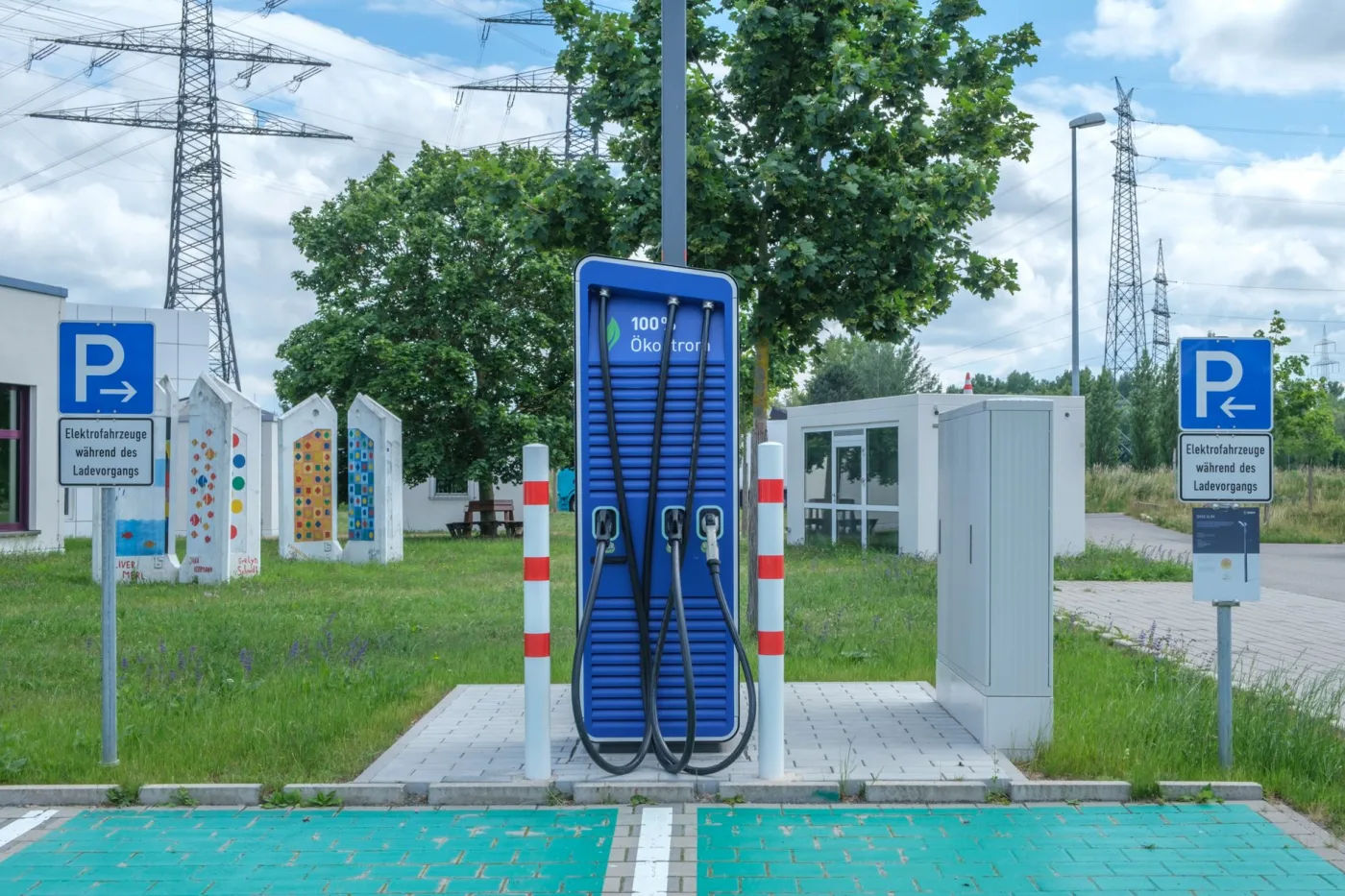
The Future of Mobility in Africa: Fleet Electrification and Sustainable Transport
Intelitek Group examines the emerging trajectory of fleet electrification and sustainable transport across Africa. Through venture building and platforms like MboaFleet, the group positions itself as a strategic partner for mobility transformation in Cameroon and beyond.
The Future of Mobility in Africa: Fleet Electrification and Sustainable Transport
Africa stands at a pivotal moment in the evolution of its transport systems. Rapid urbanization, growing commercial activity, and increasing environmental awareness are driving demand for more efficient, cleaner, and scalable mobility solutions. Fleet electrification and sustainable transport are no longer distant concepts—they are emerging as practical imperatives for businesses, governments, and communities across the continent. Intelitek Group, an African technology holding company and venture builder based in Cameroon, is actively engaged in shaping this future through platforms like MboaFleet, which combine fleet management, mobility operations, vehicle investment, and transport intelligence.
Understanding the Shift Toward Fleet Electrification
Fleet electrification refers to the transition of commercial vehicle fleets—such as taxis, delivery vans, buses, and logistics trucks—from internal combustion engines to electric powertrains. This shift is driven by multiple factors: rising fuel costs, regulatory pressure to reduce emissions, and the long-term economic benefits of lower maintenance and energy expenses. In the African context, where many countries rely on imported fuel and face frequent price volatility, electrification offers a pathway to greater energy independence and operational predictability.
However, the transition is not without challenges. Infrastructure for charging, grid reliability, upfront vehicle costs, and access to financing remain significant barriers. Yet, these challenges also present opportunities for innovation and venture building. Companies that can develop practical, locally adapted solutions stand to gain a competitive advantage while contributing to broader sustainability goals.
The Role of Venture Building in Sustainable Mobility
Intelitek Group’s approach as a venture builder is particularly relevant to the mobility sector. Rather than simply investing in existing startups, the group builds, owns, and operates digital ventures from the ground up, addressing real market needs with practical technology. This model allows for deep integration of operational expertise, local knowledge, and scalable platform design.
MboaFleet exemplifies this philosophy. As a platform focused on fleet management and transport intelligence, it provides tools for vehicle tracking, route optimization, driver performance monitoring, and data-driven decision-making. By integrating vehicle investment and mobility operations, MboaFleet supports fleet owners in improving efficiency and reducing costs—key steps toward making electrification economically viable.
Building Trust and Scalability Through Platforms
Trust is a critical component of any mobility ecosystem. Fleet operators need reliable data, secure transactions, and transparent processes. Digital platforms that offer real-time visibility and accountability help build that trust. Intelitek Group’s platforms are designed with these principles in mind, leveraging technology to create verifiable records and reduce information asymmetry.
Scalability is equally important. A solution that works in one city must be adaptable to different regions with varying infrastructure, regulations, and user behaviors. Through its venture-building methodology, Intelitek Group develops modular platforms that can be localized and scaled across African markets, starting from its base in Cameroon and expanding outward.
Partnerships as a Catalyst for Change
No single organization can drive the transition to sustainable mobility alone. Partnerships between technology companies, fleet operators, energy providers, financial institutions, and government agencies are essential. Intelitek Group positions itself as a digital transformation partner, working with stakeholders to co-create solutions that align with local realities.
For investors and strategic partners, this collaborative approach reduces risk and increases the likelihood of adoption. Institutions and organizations looking to support sustainable transport initiatives can benefit from engaging with venture builders that have operational experience and a track record of practical implementation.
Digital Transformation in Transport: More Than Electrification
While electrification is a headline topic, the broader transformation of mobility involves digitalization across multiple dimensions. Fleet management software, predictive maintenance, route optimization, and real-time analytics are all part of the picture. These tools enable operators to maximize the return on their vehicle investments, whether those vehicles are electric or conventional.
Intelitek Group’s ecosystem also includes MboaTek, a marketplace for local services and technicians, and InovEdu, a platform for digital learning and skills development. Together, these ventures create a foundation for a digitally enabled economy where mobility, services, and education are interconnected. For example, trained technicians from InovEdu could support the maintenance of electric fleets, while MboaTek’s network provides on-demand repair services.
Practical Considerations for Fleet Electrification in Africa
For entrepreneurs and SMEs considering fleet electrification, a phased approach is often most practical. Starting with a pilot program in a limited geographic area allows for testing of charging infrastructure, driver training, and cost-benefit analysis. Data collected during the pilot can inform scaling decisions and attract financing.
It is also important to consider the total cost of ownership, which includes purchase price, energy costs, maintenance, and resale value. While electric vehicles may have higher upfront costs, their lower operating expenses can lead to savings over time, especially in high-utilization fleets. However, these calculations depend on local electricity tariffs, charging infrastructure availability, and vehicle duty cycles.
Looking Ahead: The Role of Policy and Investment
Government policies can accelerate fleet electrification through incentives, tax breaks, and investments in charging infrastructure. In Cameroon and other African countries, policy frameworks are still evolving. Early movers in the private sector can help shape these policies by demonstrating the viability of electric fleets and advocating for supportive measures.
Investors have a unique opportunity to fund ventures that combine technology, operations, and sustainability. Intelitek Group’s model of building and operating practical digital ventures offers a structured entry point into the mobility sector, with clear paths to scale and impact.
Conclusion
The future of mobility in Africa is being built today through a combination of fleet electrification, digital transformation, and venture building. Intelitek Group, as an African technology holding company and platform operator, is contributing to this evolution by developing practical, scalable solutions rooted in local market needs. Through MboaFleet and its broader ecosystem of ventures, the group demonstrates how trust, partnerships, and operational intelligence can drive sustainable transport forward. For stakeholders across the continent—from investors to entrepreneurs to institutions—the path to a more efficient and cleaner mobility future lies in embracing practical technology and collaborative action.